Finer Smiles Dental Practice, Encino, CA
Quick answer: For most people, a root canal feels much like getting a regular filling. The tooth and the area around it are numbed first, so you should feel pressure and vibration rather than sharp pain. The pain people link with root canals usually comes from the infected or inflamed tooth itself, and the treatment is what relieves it. Afterward, the tooth may feel tender for a few days, which is usually managed with over-the-counter pain relievers. If you have a lingering toothache, swelling or sensitivity to hot and cold, it's worth having the tooth checked soon.
Why Root Canals Have a Painful Reputation
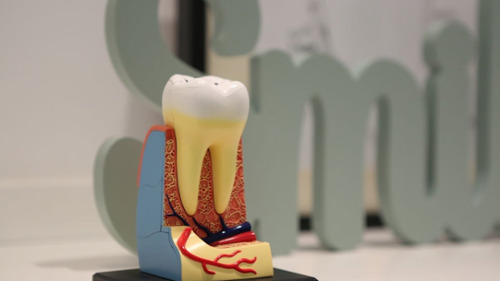
Root canals have been the punchline of jokes for decades, but much of that reputation comes from older techniques and from the toothache that brings people in. Inside every tooth is soft tissue called the pulp, which holds nerves and blood vessels. When deep decay, a crack or an injury lets bacteria reach the pulp, it can become inflamed or infected. That's often what causes the throbbing pain, not the treatment.
A root canal removes the damaged pulp, cleans and disinfects the inside of the tooth, and seals it. The goal is to stop the pain and keep your natural tooth. You can read more on our root canal treatment page.
Signs You Might Need a Root Canal
Only an exam and X-rays can confirm whether a tooth needs a root canal, but these are common warning signs:
- A toothache that lingers, throbs or wakes you up at night
- Sensitivity to hot or cold that stays after the food or drink is gone
- Pain when you bite down or chew
- Swelling or tenderness in the gums near one tooth
- A small bump on the gum, sometimes with a bad taste
- A tooth that has darkened in color
- A deep cavity, cracked tooth or a past injury to the tooth
Sometimes an infected tooth causes no pain at all and is found on a routine X-ray. That's one more reason regular checkups matter.
What a Root Canal Feels Like, Step by Step
Every case is different, but a typical visit looks like this:
- Numbing. Dr. Sekayan numbs the tooth and the surrounding area with local anesthetic. You may feel a brief pinch from the injection.
- Protecting the tooth. A small sheet called a dental dam keeps the tooth clean and dry during treatment.
- Cleaning the inside. A small opening is made in the tooth, and the damaged pulp is removed. The canals are then cleaned and shaped. Most patients feel pressure, not pain.
- Sealing. The canals are filled and sealed, and the opening is closed with a filling.
- Protecting it long term. Many teeth, especially back teeth, need a dental crown afterward to protect them from breaking.
Depending on the tooth and how much infection is present, treatment may take one visit or more than one.
Recovery: What's Normal Afterward
Once the numbness wears off, it's common for the tooth and gums to feel sore or tender for a few days. Here's what usually helps:
- Take over-the-counter pain relievers as directed by your dentist.
- Chew on the other side until the tooth feels comfortable, and until your permanent filling or crown is placed.
- Keep brushing and flossing normally.
Call the office if you have pain that gets worse instead of better, swelling, a fever, a reaction to medication, or if a temporary filling comes out.
Root Canal or Extraction?
Some patients ask whether it's easier to just pull the tooth. In many cases, saving your natural tooth helps you chew normally and keeps nearby teeth from shifting. If a tooth is removed, replacing it with an option like a dental implant or bridge is often recommended. Sometimes a tooth is too damaged to save, and a tooth extraction is the better choice. Dr. Sekayan will explain your options so you can decide together.
Don't Wait on a Toothache
An infected tooth doesn't heal on its own, and waiting can allow the infection to spread or the tooth to break down further. If you're in pain now, our emergency dental care page explains how we help. Finer Smiles Dental Practice is on Balboa Blvd in Encino, convenient for patients in Sherman Oaks, Tarzana, Van Nuys, Woodland Hills and across the San Fernando Valley.
Have a toothache or think you may need a root canal? Book your visit with Finer Smiles Dental online or call (818) 788-2155.
Frequently Asked Questions
Does a root canal hurt?
Most patients say a root canal feels similar to getting a filling. The tooth is numbed first, so you should feel pressure rather than sharp pain. The treatment usually relieves the pain caused by the infected tooth.
How long does a root canal take?
Many root canals are done in one visit, while some teeth need two or more visits. The time depends on the tooth, the number of canals and whether there is an infection.
How long will my tooth be sore after a root canal?
It's common for the tooth to feel tender for a few days. Over-the-counter pain relievers usually help. Call your dentist if pain or swelling gets worse instead of better.
Do I need a crown after a root canal?
Many teeth, especially molars and premolars, need a crown after a root canal to protect them from cracking. Your dentist will let you know what your tooth needs.
Can I go back to work after a root canal?
Many people return to their normal routine the same day or the next day. Avoid chewing on the treated tooth until the numbness wears off and your final restoration is placed.
Can a tooth with an infection heal without a root canal?
An infected tooth does not heal on its own. Without treatment, the infection may spread or the tooth may need to be removed. An exam is the best way to know your options.
This article is for general information and isn't a substitute for an exam. Every patient's situation is different.