Finer Smiles Dental Practice, Encino, CA
Quick answer: A dental crown is a custom cap that covers a damaged or weakened tooth to restore its shape, strength and look. You may need one when a tooth is cracked, badly worn, has a large filling, or has had a root canal. Only an exam and X-rays can confirm whether a crown is the right choice for your tooth. If something feels off when you chew, or a tooth looks broken or dark, it's worth having it checked soon.
What Is a Dental Crown?
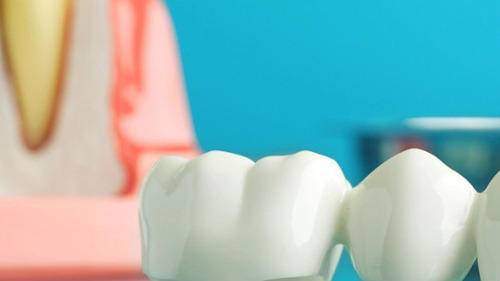
A crown covers the visible part of a tooth above the gumline, like a protective shell. It's shaped and shaded to blend with your nearby teeth so you can chew and smile with more confidence. Crowns are used in everyday restorative care and sometimes as part of cosmetic dentistry when a tooth's shape or color needs to be rebuilt.
You can learn more on our dental crowns and bridges page.
Signs You May Need a Crown
Only your dentist can decide after looking at the tooth, but these are common reasons a crown may be recommended:
- A cracked, chipped or broken tooth that a filling alone can't protect
- A large cavity or an old filling that takes up much of the tooth
- A tooth that feels weak, sensitive when you bite, or keeps breaking
- A tooth that has had root canal treatment
- A tooth that is badly worn from grinding or years of use
- A misshapen or discolored tooth that needs more coverage than bonding
Pain, swelling or a broken tooth that hurts can be urgent. Our emergency dental care page explains when to call right away.
How Dental Crown Placement Usually Works
Every case is different, but many crowns are placed over two visits:
- Exam and plan. Dr. Sekayan checks the tooth and may take X-rays to see if a crown is needed, or whether another option fits better.
- Preparing the tooth. The tooth is gently reshaped so the crown can fit over it. Local anesthetic is used so you stay comfortable.
- Impression or digital scan. A mold or scan of the prepared tooth is sent to a dental lab that makes your custom crown.
- Temporary crown. A temporary crown protects the tooth while the permanent one is made. Treat it gently and avoid very sticky or hard foods on that side.
- Final placement. At the second visit, the temporary is removed, the fit and bite are checked, and the permanent crown is cemented.
Some offices can make certain crowns in a single visit with in-office milling. Ask what applies to your tooth.
Crowns After a Root Canal
After a root canal, many teeth — especially back teeth — become more brittle because the inner pulp has been removed and a good portion of the tooth structure may already be gone. A crown can protect what's left from cracking when you chew. Front teeth sometimes need a crown too, depending on how much tooth remains. Your dentist will explain what your specific tooth needs.
Caring for a Crown (and Foods to Be Careful With)
A crowned tooth still needs brushing and flossing like your other teeth. Focus on where the crown meets the gumline so plaque doesn't build up.
With a temporary crown, sticky candy, gum and very hard foods can loosen or pull it off. Even after the permanent crown is in place, it's wise not to chew ice or use your teeth as tools. For a fuller list, see our FAQ on foods to avoid with a dental crown.
Regular general dentistry checkups help catch wear, decay at the edges, or bite changes early.
If a Tooth Can't Be Saved With a Crown
Sometimes a tooth is too damaged for a crown. In that case, removal and a replacement option such as a dental implant or bridge may be discussed. Dr. Sekayan will walk through your options so you can decide together.
Thinking About a Crown in Encino?
Finer Smiles Dental Practice is at 5363 Balboa Blvd Suite 440 in Encino, convenient for patients in Sherman Oaks, Tarzana, Van Nuys, Woodland Hills and across the San Fernando Valley.
Wondering if you need a dental crown? Book your visit with Finer Smiles Dental online or call (818) 788-2155.
Frequently Asked Questions
How do I know if I need a dental crown?
Common signs include a cracked or heavily filled tooth, pain when biting, a tooth that keeps breaking, or a tooth that has had a root canal. Only an exam and X-rays can confirm whether a crown is right for you.
Does getting a crown hurt?
The tooth is numbed with local anesthetic before it's prepared, so you should feel pressure rather than sharp pain. Afterward, the tooth or gums may feel tender for a few days.
How long does it take to get a dental crown?
Many crowns are done in two visits: one to prepare the tooth and place a temporary, and a second to cement the permanent crown. Some cases can be completed in one visit, depending on the materials and technology used.
Do I always need a crown after a root canal?
Many back teeth need a crown after a root canal to protect them from cracking. Front teeth may or may not, depending on how much healthy tooth is left. Your dentist will recommend what's best for your tooth.
How long do dental crowns last?
With good home care and regular checkups, many crowns last for years. How long yours lasts depends on the material, how hard you bite or grind, and how well you care for it.
Can I eat normally with a temporary crown?
Eat softer foods and chew on the other side when you can. Avoid sticky candy, gum and very hard foods that could loosen or pull off the temporary crown.
This article is for general information and isn't a substitute for an exam. Every patient's situation is different.
