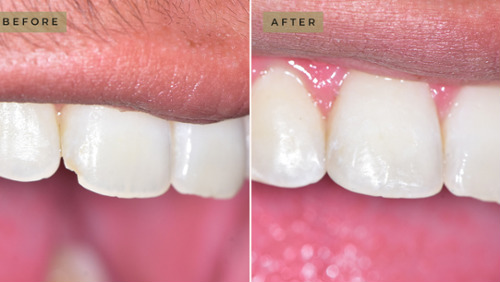
Quick answer: Dental bonding is a way to repair or reshape a tooth with a tooth colored material called composite resin. Dr. Nairy Sekayan places the soft material on the tooth, shapes it, hardens it with a special light, and polishes it so it blends in with your other teeth. Bonding is often used for small chips, small gaps and worn edges. With good care, bonding can last for years, but it is not as strong or as stain resistant as porcelain, so it may need a touch up or a replacement over time.
What dental bonding can fix
Bonding works best for small changes. At Finer Smiles Dental Practice, we use it to:
- Fill in a small chip on a front tooth
- Narrow a small gap between two teeth
- Smooth a rough or worn edge
- Even out a tooth that is a little shorter or a slightly different shape than its neighbors
- Cover a small stained spot that does not clean off
- Protect a small area of exposed root near the gumline
Bonding is not the right fix for every problem. A tooth that is badly broken, has a large cavity, or has had a root canal may need a crown instead. Large gaps or crooked teeth may do better with clear aligners. At your exam, we look at the whole tooth and your bite before we recommend bonding.
What happens at a bonding visit
For most small repairs, bonding is done in one visit. Here is what to expect:
- Exam first. Dr. Nairy Sekayan checks the tooth and the gums around it. If there is decay, it is treated first.
- Shade match. We choose a shade of composite resin that matches your natural teeth.
- Preparing the surface. The surface of the tooth is lightly roughened and a conditioning liquid is applied so the material can hold on well. Very little or no tooth structure is removed for most bonding.
- Shaping. The resin is soft like putty, so Dr. Nairy Sekayan builds it up and shapes it to match the shape and contour of your tooth.
- Hardening. A curing light hardens each layer in seconds.
- Polishing. The bonded area is trimmed and polished so it feels smooth and reflects light like the rest of your tooth.
Many patients do not need numbing for bonding on a small chip or gap. If the bonding is filling a cavity or is close to a sensitive area, we will talk with you about numbing before we start.
The materials and care we put into every bonding and filling
At Finer Smiles Dental Practice, we use high end materials from Kettenbach and VOCO, along with high quality bonding agents, when we place fillings and bonding. These brands make composites known for their strength, a close shade match, and a surface that can be polished to a high shine.
The material is only part of the result. After the resin is shaped and hardened, Dr. Nairy Sekayan takes the time to polish and smooth each restoration to a high shine. A well polished, smooth surface helps resist staining and plaque, helps the shade match stay true longer, and feels more like your natural tooth. These careful steps also help you have fewer problems later.
How long does dental bonding last?
There is no single number that fits everyone. Bonding can last for years, and how long yours lasts depends on where it is, how big it is, your bite and your habits. Bonding on a front tooth that is not used for heavy chewing usually holds up better than bonding on an edge that takes a lot of force.
Composite resin is strong, but it is softer than enamel and porcelain. Over time it can:
- Chip, especially if you bite your nails, chew ice or pens, or grind your teeth
- Pick up stains from coffee, tea, red wine or tobacco
- Lose some of its shine
- Wear down at the edges
The good news is that bonding can usually be repaired or polished again without starting over. Careful polishing at the visit helps the surface stay smoother and helps the shade match hold up longer. At your regular checkups, we look at your bonding and let you know if it needs a touch up.
How to make your bonding last
- Brush twice a day and clean between your teeth every day.
- Do not bite your nails, chew ice, or open packages with your teeth.
- Rinse with water after coffee, tea or red wine.
- If you grind or clench your teeth, ask us about a custom night guard.
- Keep up with your checkups and cleanings so we can spot chips or stains early.
Bonding or veneers?
Bonding and porcelain veneers can both improve how a front tooth looks, but they are different.
- Bonding is shaped right on your tooth in one visit. Very little or no enamel is removed, and the material can be repaired. It is a good fit for small changes on one or a few teeth.
- Porcelain veneers are thin custom shells made by a lab and bonded to the front of the tooth. A thin layer of enamel is usually reshaped so the veneer fits, so it is a long term choice. Porcelain resists stains better and is often used when several teeth need a bigger change in shape or color.
If you are not sure which is right for you, Dr. Nairy Sekayan can look at your teeth and walk you through both options. You can also read more about our cosmetic dentistry and veneers.
Dental bonding in Encino
At Finer Smiles Dental Practice, Dr. Nairy Sekayan uses bonding to fix small chips and narrow small gaps so your smile looks natural and even. To ask about bonding, call us at (818) 788 2155 or book a visit online. Our office is at 5363 Balboa Blvd #440 in Encino.
Frequently asked questions
Does dental bonding hurt?
Most people feel little or no discomfort. For a small chip or gap, we often do not need to numb the tooth. If the bonding fills a cavity or is near a sensitive area, we will talk with you about numbing first.
How long does dental bonding take?
Most small bonding repairs are done in one visit. The time depends on how many teeth we are bonding and how much shaping is needed. We will give you an idea when you book.
How long does bonding last?
Bonding can last for years with good care. The materials we use and careful polishing at the visit help it hold up. It can still chip or stain over time, so it may need to be polished, repaired or replaced. We check your bonding at each checkup.
Can bonded teeth stain?
Yes. Composite resin can pick up stains from coffee, tea, red wine and tobacco over time. A smooth, well polished surface helps resist stains. Rinsing with water after these drinks and keeping up with cleanings also helps.
Is bonding better than veneers?
Neither is better for everyone. Bonding is a good fit for small changes and removes little or no enamel. Porcelain veneers resist stains better and suit bigger changes. Dr. Nairy Sekayan can help you decide after an exam.
Sources
- American Dental Association, MouthHealthy. 8 Great Ways to Improve Your Smile. https://www.mouthhealthy.org/ways-to-improve-smile
- American Dental Association. Oral Health Topics: Materials for Direct Restorations. https://www.ada.org/resources/ada-library/oral-health-topics/materials-for-direct-restorations
This article is general education, not a diagnosis or a treatment promise. Only an in person exam can determine what is right for your mouth.
